Category: Sync for iCloud

  • Sync for iCloud Release 2.12

    Sync for iCloud Drive’s name has now changed to Sync for iCloud following addition of iCloud Photos support.

    As of Release 2.12, Sync for iCloud now supports synchronisation for iCloud Drive and iCloud Photos.

    To be able to access your iCloud Photos, iCloud Photos must be enabled from an iOS device. For more information, please visit Apple’s support page.

    The release also includes updates to the user interface, several bug fixes and performance improvements, including:

    • fix for crash when screen is locked while uploading files or photos
    • when an upload is started, you are taken to the upload status screen.
    • a message now warns you that uploading might stop when the screen is locked.
    • screen will not turn off during uploading when in the upload status screen.
    • file information text is now smaller.
    • file name now takes only one line in the list.
    • when renaming, the file current file name is provided in the dialog.
  • Sync for iCloud Release 2.5

    Sync for iCloud Drive’s name has now changed to Sync for iCloud following addition of iCloud Photos support.

    As of Release 2.5, Sync for iCloud now supports synchronisation for iCloud Drive and iCloud Photos.

    To be able to access your iCloud Photos, iCloud Photos must be enabled from an iOS device. For more information, please visit Apple’s support page.

    The release also includes updates to the user interface, several bug fixes and performance improvements.

  • Sync for iCloud Drive Release 1.12

    Sync for iCloud Drive version 1.13 is being rolled out to users on the Google Play Store. This update contains the following fixes and improvements:

    • Fixed invalid login bug.
    • Fixed UI bug where buttons would not show on older Android versions.
    • Bug fix which had resulted in crashes on older Android versions.
  • Sync for iCloud Release 12.3.3

    Sync for iCloud version 12.3.2 is being rolled out to users on the Google Play Store. This update contains the following fixes and improvements:

    • Minor bug fixes to back-end code.
  • Sync for iCloud Release 12.3.1

    Sync for iCloud version 12.3.1 is being rolled out to users on the Google Play Store. This update contains the following fixes and improvements:

    • User interface updates in the following areas: permission screen, invalid certificate screen, main screen and log in screen.
    • Update to various back end libraries.
  • 5 steps to get iCloud on Android – Quick Guide

    5 steps to get iCloud on Android – Quick Guide

    Anyone who has used an iOS device is aware of Apple’s restriction of its services being usable only on their own devices. As a result, Apple uses this technique in order to try to lock their user base to their products.

    If you are switching from an iOS device to an Android device, you might think that it is difficult to get your data from your iCloud account on your Android device, without having to export everything and moving to another serivce provider, such as Google Cloud.

    In this guide, I will be showing you how to gain access to your data found on your iCloud account on your Android device without having to export any data. We will be using the Sync for iCloud application suite on Android in order to access the iCloud data directly on your mobile or tablet running Android.

    Part 1: Go to the Google Play Store

    Grab your mobile phone or tablet running Android and open Google’s Play Store application.

    Part 2: Search for Sync for iCloud

    Once you have opened the Play Store, press on the search icon and search for ‘Sync for iCloud’. Once found, install the app.

    Part 3: Install Sync for iCloud Contacts and Sync for iCloud Mail

    If you want to get your iCloud contacts and your iCloud mail synced as well, install these applications too.

    Part 4: Open Sync for iCloud

    Once installed, open Sync for iCloud. The first thing you would want to do is to generate an app-specific password. This can be done by pressing on ‘Add Account’ and then pressing on ‘Generate App Specific Password’.

    You will be taken to Apple’s website in the in-app browser where you can generate the app-specific password. Make sure to copy the password.

    Part 5: Log in

    Go back to the Sync for iCloud log in screen and enter your iCloud username and paste the app-specific password.

    Press on the ‘Log in’ button to log in. Once logged in, select the calendars you want to sync. You can do the same process in Sync for iCloud Contacts to get your contacts, and in Sync for iCloud Mail to sync your mail.
  • View iCloud files on Android

    View iCloud files on Android

    One of the problems of switching to Android from iOS is that it is difficult and cumbersome to migrate all of the files stored on iCloud. A particular case would be photos taken on an iOS device, which are then automatically uploaded to the iCloud Drive.

    Fortunately, it is possible to actually access all of your files stored on iCloud Drive, such as photos, from an Android device. The trick is to use Sync for iCloud‘s internal browser to access the iCloud website. Although this is not a very clean solution, its a solution which works and gets the job done.

    Steps

    1. Download Sync for iCloud from the Google Play Store.
    2. Open the app.
    3. Tap on ‘Open iCloud’.
    4. Log in to your iCloud account just as you would on your computer.

    The web browser is not part of Sync for iCloud’s main functionality. This means that support is not offered on this functionality and that this may work for some, but not for others.

    Apart from viewing iCloud files, the Sync for iCloud app also gives you the possibility of synchronizing all of your iCloud calendars natively on your Android device. The developer also gives access to other apps which also let you sync your iCloud contacts and emails to your Android device.

    The best part about these apps is that they are all free to use without any limitations. The only downside is that they contain a minimal amount of ads. However, these never proved to be distracting. If you don’t like ads, you can always make use of the in-app purchase to remove ads.

  • Get iCloud on Android

    Get iCloud on Android

    A lot of websites have been showing users how to add iCloud functionality to Android devices. Unfortunately, the steps shown in the tutorials consist of several complicated steps. Furthermore, the steps would sometimes result in having to export data from your iCloud account in order to be able to use them on Android.

    In reality, you can easily get iCloud data synced to your Android device without having to go through complicated steps. All you need to do is to download Sync for iCloud.

    Sync for iCloud lets you log in to your iCloud account from any Android device and keep data synced. Our suite of apps currently support syncing of calendars, contacts and emails. Furthermore, the apps have been tailored around Apple’s iCloud services, with particular focus on user experience and security.

    You can download Sync for iCloud for free from the Google Play Store by going here: https://play.google.com/store/apps/details?id=com.granita.caldavsync

  • Logging in with 2 factor authentication

    Logging in with 2 factor authentication

    Sync for iCloud, Sync for iCloud Contacts, and Sync for iCloud Mail do not support Apple’s latest authentication methods. Therefore, to log in to your account, you need to create an app specific password.

    The steps below will show you how to check whether you have Apple’s latest authentication method enabled, and how to generate an app specific password. Each time you change your password, you must create a new app specific password.

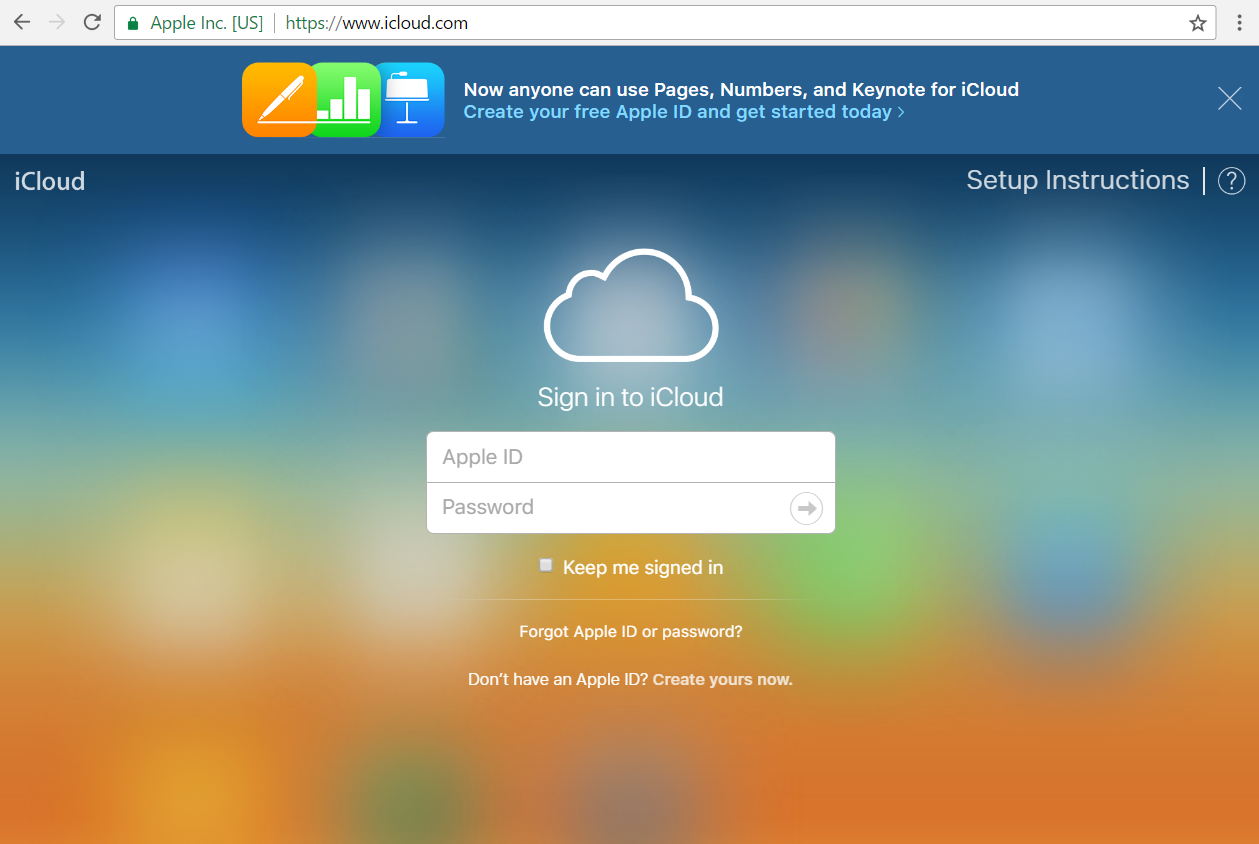
    1. Open your browser and go to icloud.com. Log in with your iCloud account.

    2. Click on the ‘Settings’ icon.

    3. Click on ‘Manage’ Apple ID.

    4. Click on ‘Generate Password…’

    5. Enter a name for the app-specific password and click ‘Create’.

    6. Open Sync for iCloud/Sync for iCloud Calendar/Sync for iCloud Mail on your Android device and enter the password given by iCloud.